Nordfab Ducting for Metalworking
The right ducting for metalworking to make workspaces safe and efficient
Dust extraction and process ventilation are essential in metalworking because cutting, grinding, machining, polishing, and surface‑treatment operations generate fine metal dust and hazardous fumes that pose serious risks to both workers and equipment. Metal dust often contains harmful substances such as chromium, nickel, and manganese, which can cause respiratory illness, metal fume fever, and long‑term health complications if inhaled. Many metal particulates—especially aluminium and magnesium—are also highly combustible, meaning even a small concentration suspended in the air can ignite and lead to dangerous fires or explosions.
Without a proper process ventilation system, dust can accumulate on floors, machinery, and electrical components, increasing housekeeping demands, reducing machine efficiency, and accelerating equipment wear. Effective dust extraction captures contaminants at the source, improves air quality, prevents cross‑contamination between different metals, supports compliance with safety directives, and ultimately ensures a safer, more efficient, and more reliable metalworking environment.
Critical extraction points in metalworking applications:
- Cutting, milling & machining stations generate fine metal dust and chips that become airborne and accumulate on machinery, posing respiratory hazards and increasing wear.
- Grinding & sanding areas include metal and coatings removal, producing large volumes of ultrafine particulate that settle on surfaces, contaminate equipment, and create combustible‑dust risks (especially aluminium and magnesium).
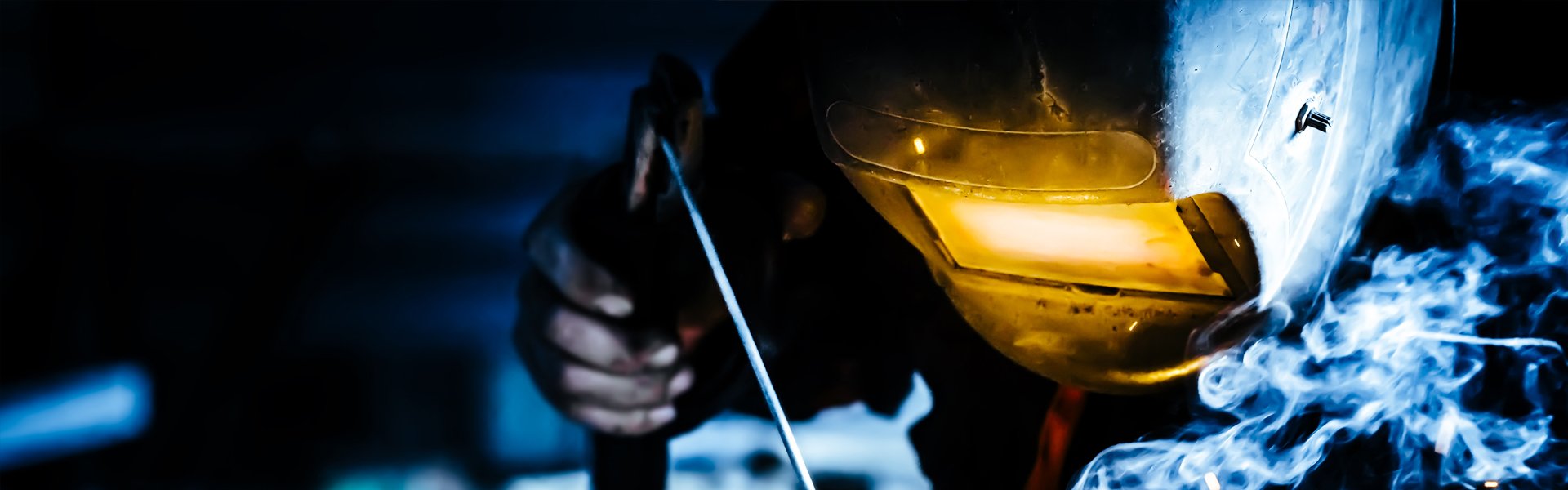
- Welding booths & fume zones produce metal fumes and particulates that must be captured at the source to meet safety standards and protect workers from hazardous inhalation.
- Polishing & buffing stations generate fine metallic and compound dust, which becomes airborne and can affect air quality, equipment performance and operator health.
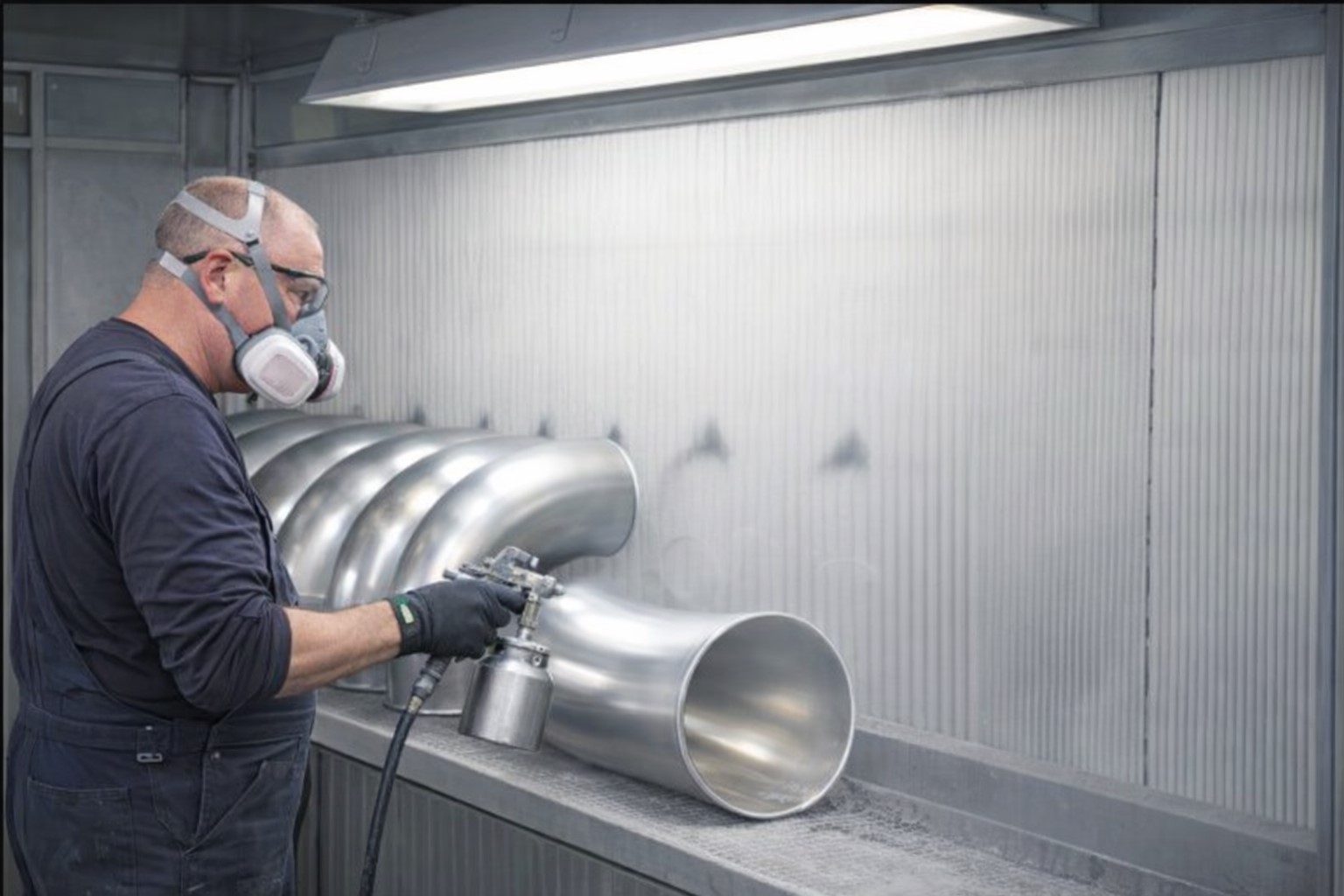
- Surface treatment, shot‑blasting & coating areas. Abrasive blasting and surface preparation release dust from abrasives, corrosion products and removed coatings, while powder coating overspray requires consistent extraction to prevent contamination and fire hazards