- Home
- Applications
- Industries Using Nordfab QF Ducting
Polymer and Plastics Processing
Ducting for Polymer and Plastics Processing
Ducting for polymer and plastics applications
The polymer and plastics industry faces significant air‑quality and safety challenges throughout production, processing, and finishing operations. Machining, cutting, grinding, and regrinding generate fine plastic dust, microplastics, and lightweight particles that easily become airborne and may be combustible or electrostatically charged. Pellet handling and material conveying create additional dust and fines, while extrusion, injection moulding, and thermoforming release fumes, vapours, and VOCs when polymers are heated. Without effective extraction, these contaminants can compromise worker health, increase fire and explosion risks, contaminate products, and lead to excessive maintenance and regulatory compliance issues.
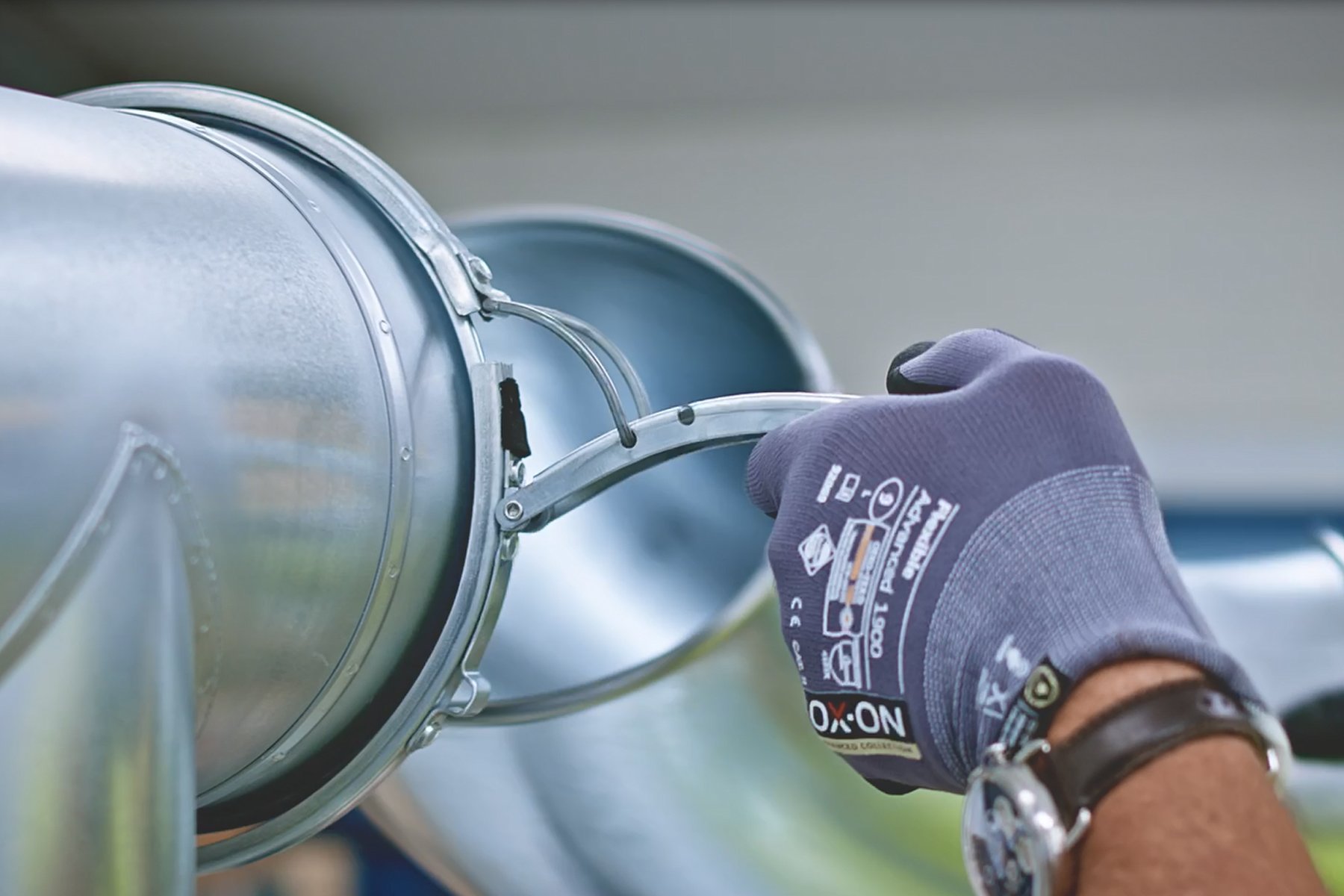
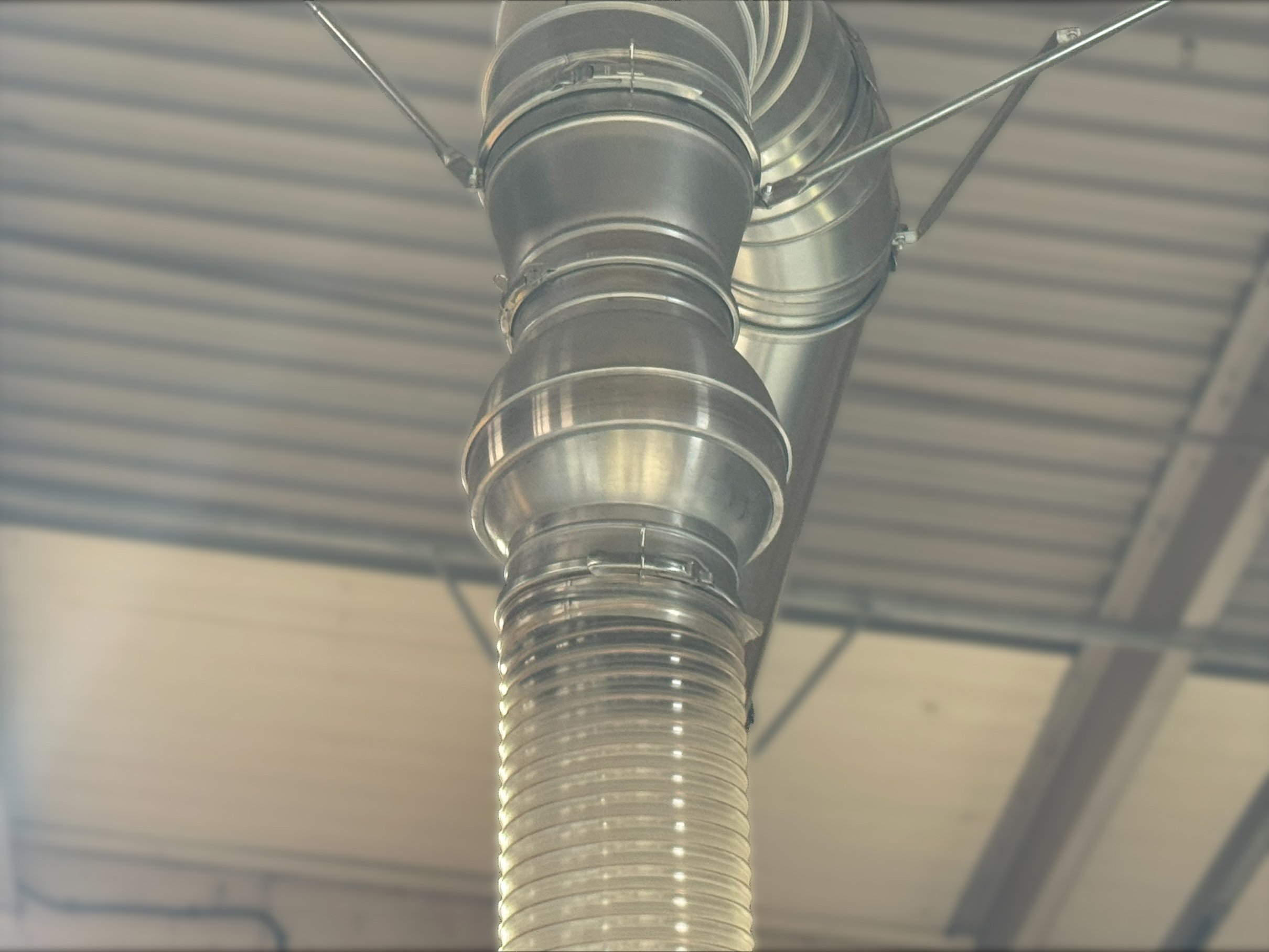
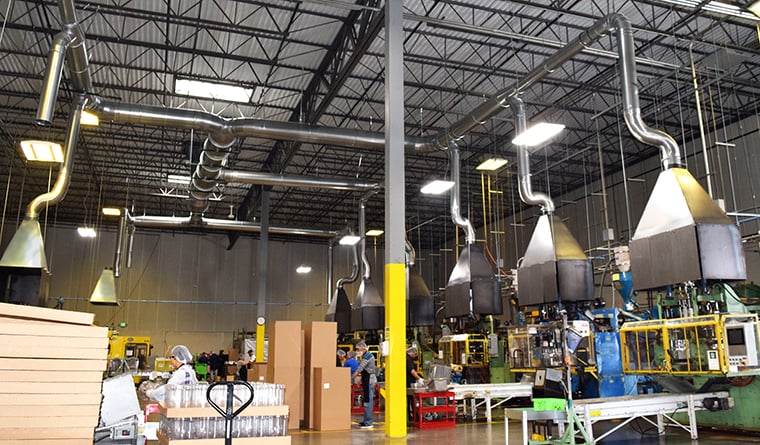
Nordfab’s ducting solutions help plastics manufacturers control these risks through efficient, source‑capture and reliable process ventilation. Laser‑welded Quick‑Fit ducting with smooth, leak‑tight interiors minimises dust accumulation, reduces static pressure loss, and prevents material build‑up inside the system. High Vacuum solutions enable precise extraction of fine dust, regrind particles, and microplastics directly at the source, while sealed and corrosion‑resistant ducting options support fume and VOC removal in thermal processes. The modular, reusable Quick‑Fit design allows fast installation, easy cleaning, and flexible reconfiguration as production layouts evolve—helping polymer and plastics facilities maintain safer working conditions, stable airflow, and long‑term operational efficiency.
Critical extraction points in polymer and plastics industries:
- Machining, cutting, and grinding stations. Trimming, routing, sawing, and grinding of plastic parts generate fine plastic dust, chips, and microplastics. These particles are often lightweight, electrostatically charged, and easily airborne, requiring efficient source‑capture extraction to protect workers and prevent accumulation inside ducting.
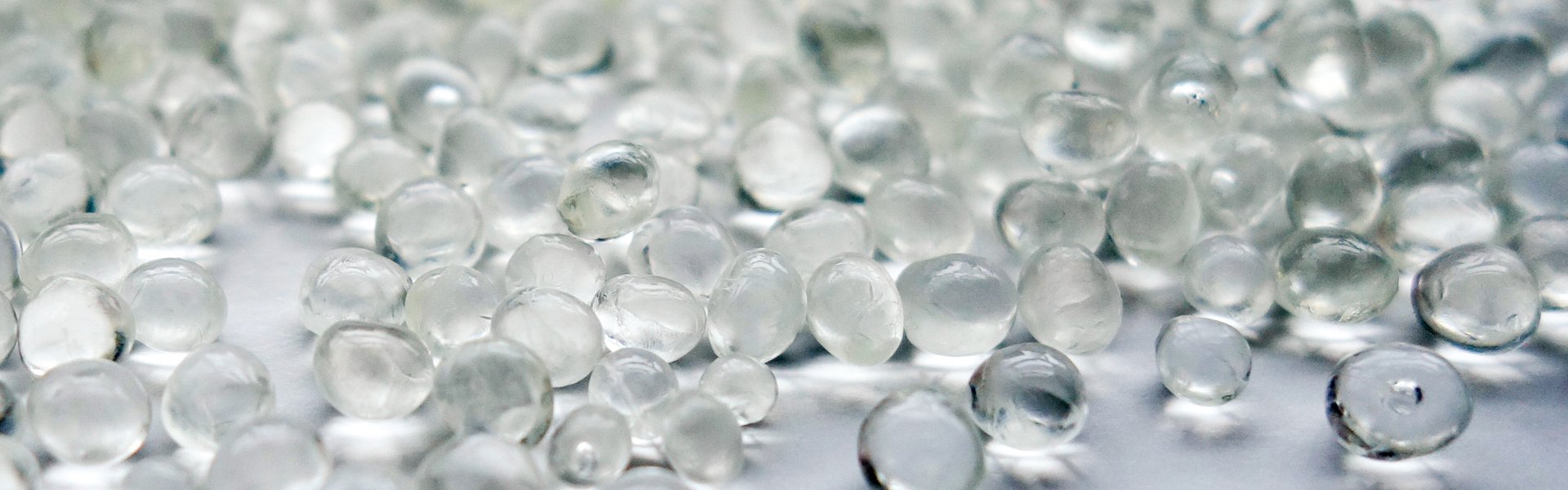
- Pellet handling, conveying, and transfer points. Transporting plastic pellets, granules, and regrind material creates dust and fines when materials collide or abrade during conveying and loading. Without proper extraction, these fine particles can spread through the facility, increasing housekeeping demands and explosion risks.
- Regrinding, granulation, and size reduction areas. Grinding scrap plastic into regrind produces high concentrations of fine dust and fragmented particles. These dusts can be combustible and prone to static build‑up, making controlled extraction critical for fire prevention and system reliability.
- Extrusion, injection moulding, and thermoforming exhaust points. Heating and melting polymers release fumes, vapours, and decomposition by‑products such as VOCs. Local exhaust ventilation is required at machine vents, hoppers, and die heads to remove fumes before they spread into the workspace.
- Part finishing and cleaning areas. Abrasive cleaning, deburring, and surface finishing operations generate additional fine dust and fibres. Without effective extraction at these points, contaminants can affect product quality, worker health, and downstream processes.