- Home
- Applications
- Industries Using Nordfab QF Ducting
Recycling Plants
Recycling Plants
The right ducting for the recycling industry
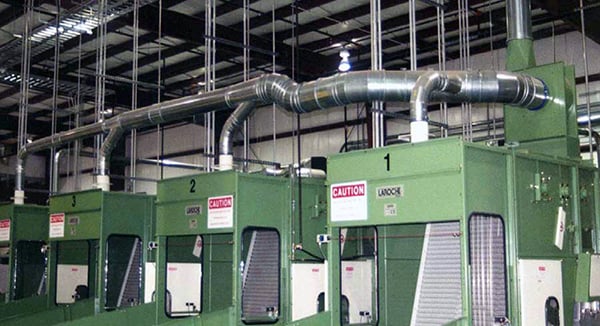
Dust extraction and process ventilation are critical in recycling plants because the breakdown, sorting, and handling of mixed materials—such as plastics, metals, paper, wood, textiles, and composites—generate large amounts of airborne dust. Such dust often contains a complex mix of fine particles, chemicals, fibres, and even silica that be harmful to workers health and disruptive to operations. In addition, recycling dust is highly combustible, creating serious fire and explosion hazards when combined with sparks from shredders or friction in conveyors.
Effective extraction systems capture contaminants at the source, preventing dust buildup on equipment , minimizing the risk of ignition inside ducting and reducing maintenance needs . Proper ventilation also supports compliance with ATEX and occupational exposure. Ultimately, well‑designed dust extraction and process ventilation systems help recycling facilities maintain safer working environments, protect equipment, and sustain efficient, environmentally responsible operations
Critical extraction points in the recycling industry:
- Shredders & crushers produce fine, abrasive, and often combustible dust when breaking down plastics, metals, wood, paper, or textiles produces. This stage also generates sparks, making it one of the highest‑risk extraction points.
- Sorting & screening stations release dust as materials rub, shake, and separate. These areas generate continuous airborne particulates, including fibres, plastics, and metals.
- Conveyor transfer points, or any point where materials drop from one belt to another, create dust plumes. These emissions are often underestimated but significantly contribute to airborne contamination.
- Granulators & pulverisers while grinding of plastics, rubber, or composite materials generate high volumes of fine particulate dust that must be captured at the source to prevent buildup in ducts and machinery.
- Baling & compaction areas include compressing paper, cardboard, textiles, or mixed recyclables and release fibres and mixed dust clouds, spreading contamination and increasing inhalation risks across the handling area.